
Tracing Contested History: How Museums and Communities Document Artifact Provenance Together
Opening Museum Doors to Uncover Hidden Histories Together
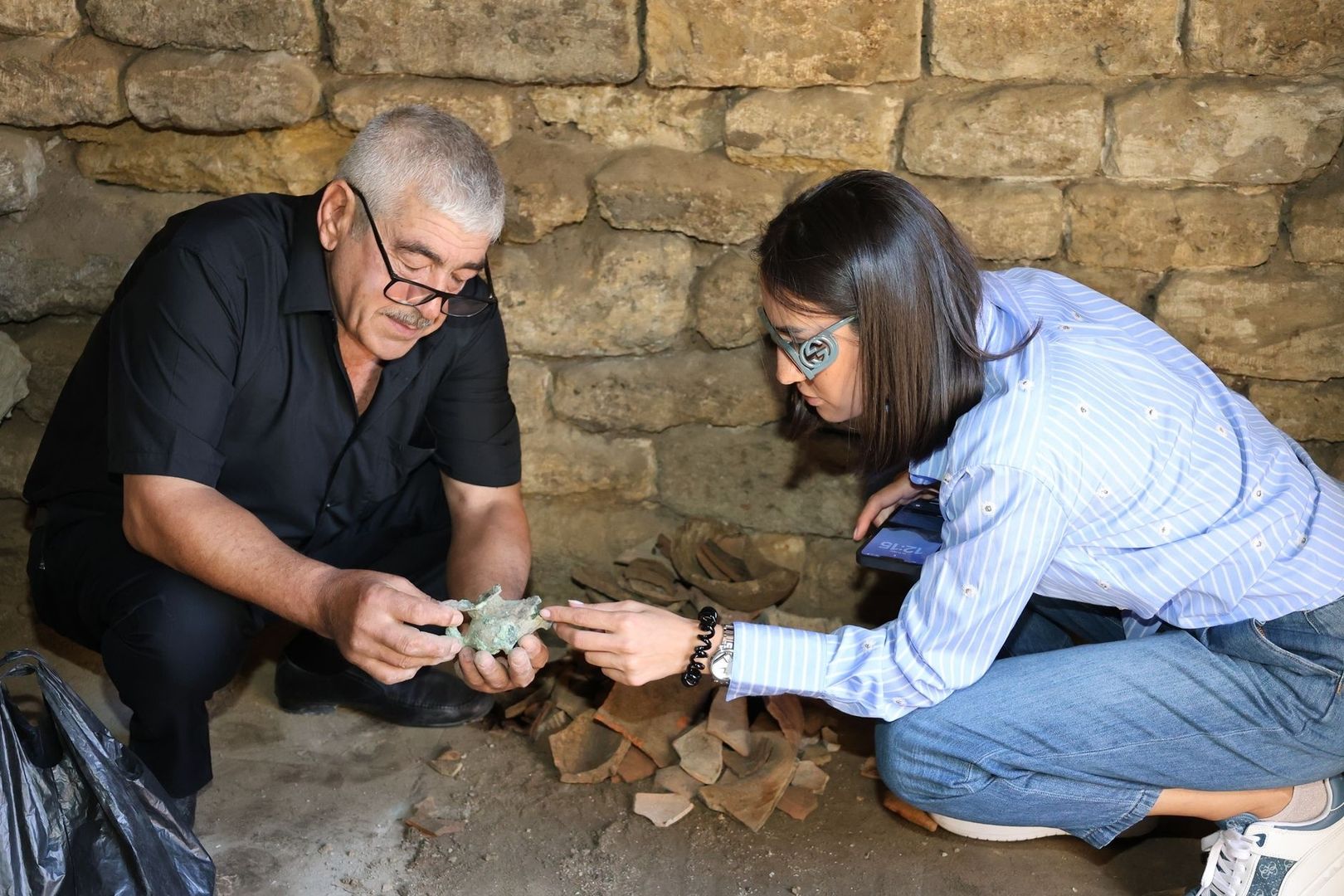
Provenance research is often described as the study of who owned an object and when. That definition is necessary, but it is not sufficient. A meaningful provenance record follows an object”s full life journey, from its creation and early use through exchange, inheritance, ritual practice, displacement, sale, donation, and museum storage. It asks not only whether a transfer was legally documented, but also what the object meant to the people who made, used, cared for, or lost it.
For much of the museum”s history, those questions were answered primarily through institutional records, dealer files, auction catalogues, and the statements of collectors. Community knowledge was frequently treated as supplementary, if it was recorded at all. This is changing. Museums, source communities, and diaspora groups are building more transparent archival practices in which local expertise, oral history, language, cultural protocol, and lived experience can stand beside accession ledgers and legal documents. Public programs, including museum events and educational seminars, can provide practical entry points for dialogue, but lasting trust requires that community knowledge also shape the official record.
Understanding Provenance Beyond Legal Ownership
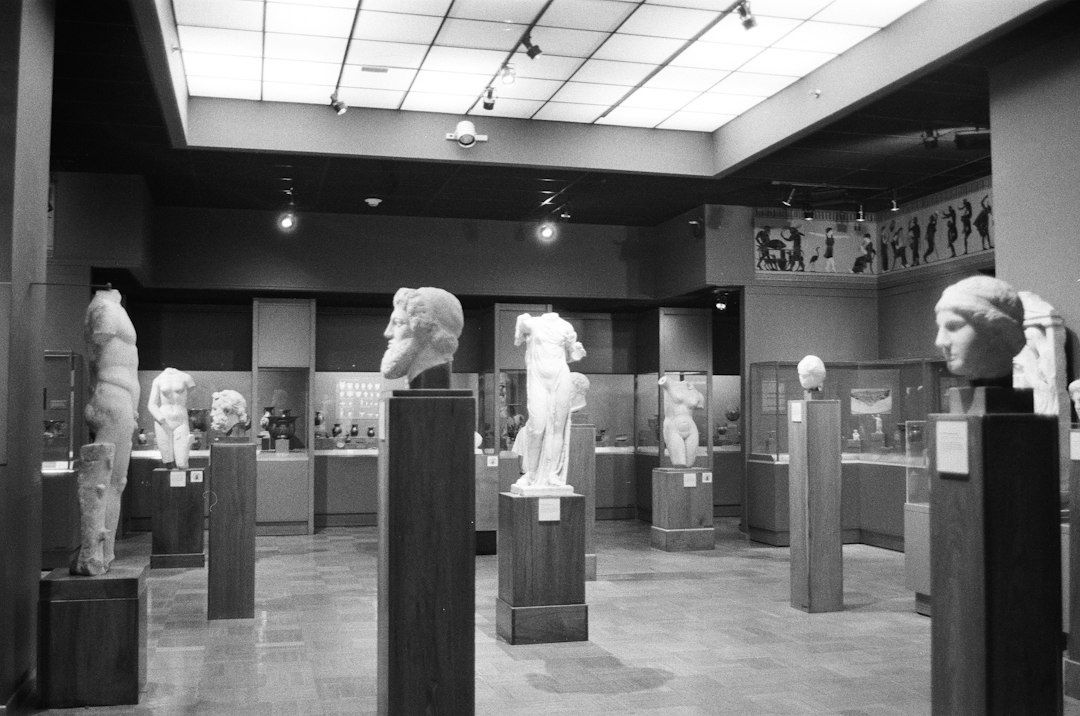
At its foundation, provenance research reconstructs an object”s ownership history and movement over time. The ICOM Code of Ethics places this work within broader professional responsibilities concerning acquisition, legal compliance, due diligence, illicit traffic, restitution, repatriation, security, and responsible collections management. These standards make clear that museums are not simply warehouses of attractive things. They hold objects in public trust and must be able to explain how collections were acquired, what is known about their histories, and where uncertainty remains.
A chain of title is one important part of that explanation. It may identify a maker, dealer, collector, auction house, donor, or previous institution, with dates and supporting documents. However, a transactional record can leave major questions unanswered. A deed of gift may show when an object entered a museum without explaining how it was removed from a community, whether its use was restricted, or how it was understood before entering the art market. The Denver Art Museum notes that provenance research draws on object records, scholarship, exhibition histories, newspapers, photographs, auction records, ancestry resources, and databases that identify lost or suspiciously traded works. Gaps may reflect war, fire, displacement, poor recordkeeping, or unlawful activity, and each gap requires careful interpretation rather than automatic conclusions.
Ethical standards help museums respond responsibly when records are incomplete or when an object carries cultural obligations that ordinary ownership documents cannot express. Responsible practice includes distinguishing verified facts from informed claims, documenting disagreements, avoiding premature certainty, and creating accessible ways for communities to challenge or supplement the record. It also means recognizing that a museum”s legal possession does not always settle questions of moral authority, ceremonial access, or the right to determine how an object is described and displayed.
- Document the full timeline: Record creation, use, movement, exchange, collection, and institutional custody where evidence exists.
- Separate evidence from interpretation: Identify which statements come from written records, oral testimony, material analysis, or institutional inference.
- Investigate ethical concerns: Review possible coercion, looting, colonial extraction, wartime displacement, and culturally restricted materials.
- Invite correction: Provide clear contact routes for source communities, researchers, and members of the public to contribute information.
- Keep the record open: Treat provenance as an ongoing research file rather than a finished paragraph written at accession.
Decolonizing the Archive Through Critical Cataloging
Cataloguing systems can appear neutral because they organize information into orderly fields. In practice, the categories and terms selected by earlier curators often reflected Eurocentric assumptions about race, geography, gender, religion, art, and ownership. Indigenous objects could be reduced to generic labels, ceremonial items described as decorative art, and living communities placed in the past tense. Names could be misspelled, translated without explanation, or replaced by colonial geographic terms. When those descriptions are copied into databases, exhibition labels, and search engines, an inaccurate interpretation can become difficult to dislodge.
Critical cataloging addresses these problems by examining not only the wording of a record but also the structure that determines what can be recorded. Research on museum databases has shown that systems may restrict non-Roman scripts, separate community knowledge from the main object record, or lack fields for cultural protocols and Indigenous authority. Collaborative models make room for original names, multiple languages, community-preferred terminology, seasonal or ceremonial restrictions, and statements about who may view or reproduce an image. Consultation can also correct seemingly small errors with significant consequences, such as misidentifying a figure or confusing a community”s material tradition with that of a neighboring group.
| Legacy cataloging practice | Collaborative cataloging approach |
|---|---|
| Uses a single institutional description as authoritative | Records institutional research alongside source-community knowledge and identified areas of disagreement |
| Prioritizes object type, date, and market history | Includes use, relationship, language, protocol, maker knowledge, and community significance |
| Applies broad or outdated geographic and cultural labels | Uses current community names, original terminology, and transparent explanations of historical terms |
| Assumes public access is always appropriate | Recognizes culturally restricted information and community-defined access conditions |
| treats the database as an internal management tool | Uses the database as a shared accountability and knowledge resource |
Decolonizing cataloging does not mean deleting historical descriptions without explanation. It means preserving evidence of how an object was previously classified while clearly identifying harmful, inaccurate, or obsolete language and providing better context. This approach protects research history while preventing inherited terminology from being presented as unquestioned truth. It also requires museums to assess whether their software can support community authority, access controls, multilingual records, and ongoing revision.
Practical Frameworks for Community-Led Research
Community-led provenance research begins with an invitation that is specific, respectful, and properly supported. General requests for “feedback” can place an unreasonable burden on elders, cultural workers, and researchers, especially when an institution has already made decisions about access, scheduling, or interpretation. A stronger process explains which objects are under review, what questions remain, how information will be used, and what authority the community will have over resulting records and displays.
Physical access matters. Museums can arrange research visits to storage areas, conservation studios, libraries, and registration files, while providing interpreters, accessible facilities, travel support, and sufficient time for cultural protocols. Digital access can extend participation when travel is difficult, but it should not become a substitute for meaningful institutional investment. Oral histories should be recorded with consent and linked to the relevant object records, with clear terms governing attribution, future use, privacy, and withdrawal where appropriate.
- Prepare before the visit: Identify the collection”s history, gather existing records, flag sensitive materials, and provide a plain-language research summary.
- Share authority at the outset: Agree on who may handle, view, name, photograph, interpret, or reproduce each object.
- Invite multiple forms of evidence: Place oral testimony, language knowledge, family records, maps, songs, and lived traditions alongside accession and conservation documents.
- Record uncertainty honestly: Preserve differing accounts and explain why a conclusion remains provisional when the evidence cannot resolve it.
- Return results: Provide communities with updated records, images where permitted, research copies, exhibition drafts, and opportunities to review public language.
- Fund the relationship: Pay researchers and cultural advisers, support travel and technology, and budget for continued consultation after the initial project ends.
Sustainable partnership also depends on staffing. Registrar, archivist, collections, education, and conservation roles all influence how community knowledge enters institutional practice. Employment pathways can help connect regional expertise with museum work, including municipal opportunities such as employment, internships, and volunteer opportunities. Such pathways should not treat community members as unpaid sources of knowledge. Fair compensation, training, shared credit, and opportunities for leadership are essential parts of ethical collaboration.
The need for long-term support is especially clear when collections face crisis. After the catastrophic October 2024 flood that affected the Roswell Museum, collections work included conservation planning, documentation, care for damaged and unaffected materials, and responsibilities connected with Native American Graves Protection and Repatriation Act consultation. The example demonstrates that provenance is not an isolated research task. It is connected to emergency preparedness, storage, conservation, repatriation, accessibility, and the institutional capacity to maintain accurate records under pressure.
Connecting Diaspora Knowledge with Material Culture
Diaspora communities often hold evidence that formal museum files cannot provide. Family memories may identify a maker whose name was never recorded. A remembered ceremony may explain why an object was wrapped, repaired, or kept from public view. Community members may recognize a pattern, tool, script, or material process that a distant cataloguer interpreted incorrectly. These forms of knowledge can clarify not only where an object came from, but also how it traveled and what relationships shaped its meaning.
The University of Oxford”s “Astrolabes and Diaspora” project illustrates the value of looking beyond the first maker and final collector. Scientific instruments can pass through generations of users, traders, admirers, inheritors, and donors across different societies. Focusing only on the purchase that brought an astrolabe into a museum can obscure the human history in between. Collaborative research can recover those intervening experiences, while examples from the American Alliance of Museums describe source-community review that improved documentation of more than 1,500 works and corrected the identification of an image on an Acoma jar.
- Makers: Community knowledge may restore names, workshops, family lines, and local techniques omitted from market records.
- Ritual uses: Elders and cultural practitioners can explain functions that written descriptions reduced to ornament or general symbolism.
- Routes of movement: Diaspora memories can connect objects to migration, trade, religious networks, conflict, or forced removal.
- Language and meaning: Original terms can reveal distinctions that disappear in translation or broad museum categories.
- Future care: Communities can advise on handling, storage, display, reproduction, and access in ways that protect cultural integrity.
When museums surrender sole interpretative authority, they do not abandon scholarship. They make scholarship more accurate, accountable, and responsive to evidence that institutional systems have historically overlooked. Shared authority can improve exhibitions, strengthen conservation decisions, reduce harmful language, and help visitors understand that an object”s meaning is not fixed by the moment it entered a collection. The goal is not to replace one authority with another, but to create a documented process in which responsibilities and decisions are visible.
Building an Inclusive Future for Cultural Stewardship
Transparent provenance research is an ongoing relationship, not a one-time audit completed when a label is rewritten or a database field is filled. New evidence may emerge through family archives, language revitalization, scientific analysis, or conversations with communities whose access was previously restricted. Museums should publish what is known, identify what remains uncertain, explain how community contributions shaped the record, and update entries when responsible new information becomes available.
Visitors, researchers, and local groups can support this work by asking museums how provenance was established, whether source communities were consulted, and how corrections can be submitted. Researchers can cite community contributors, follow access protocols, and avoid reproducing restricted images or outdated terminology. Community organizations can request collection reviews, propose language and interpretation, and seek formal agreements that clarify compensation, authority, and continuing access. Open databases are most valuable when openness includes accountability, context, and respect for information that should not be made universally public. Through shared stewardship, museums can become places where difficult histories are not concealed or simplified, but carefully documented with the people whose lives remain connected to the collections.
By Magnus
- 26, Sep, 2026
- 0 Comments