Can Virtual Reality Truly Replace In-Person Cultural Immersion?
Redefining Cultural Immersion in the Digital Age
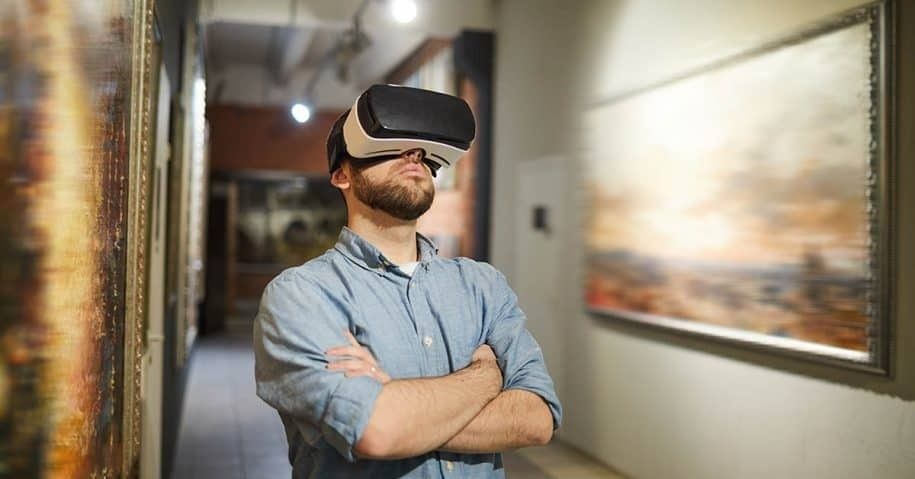
Spatial computing and virtual reality are moving steadily from experimental laboratories into museums, schools, archives, and community programs. A visitor can now examine a three-dimensional reconstruction of an artifact, move through a historical environment, or study an object from angles that would be impossible in a conventional gallery. These developments are changing what cultural institutions can offer, particularly to people who live far from major collections or who face financial, physical, sensory, or social barriers to participation.
Yet the central question remains important: can a virtual experience replace being physically present with an original work or artifact? The most responsible answer is no, at least not completely. Digital environments can reproduce visual information with remarkable precision, but they do not fully reproduce the material reality, atmosphere, scale, or historical aura of an original object. Virtual reality should therefore be understood not as a substitute that makes museums unnecessary, but as an unprecedented bridge. It extends cultural education beyond institutional walls and gives more people a meaningful way to encounter heritage.
The Technical Marvel of High-Definition Photogrammetry
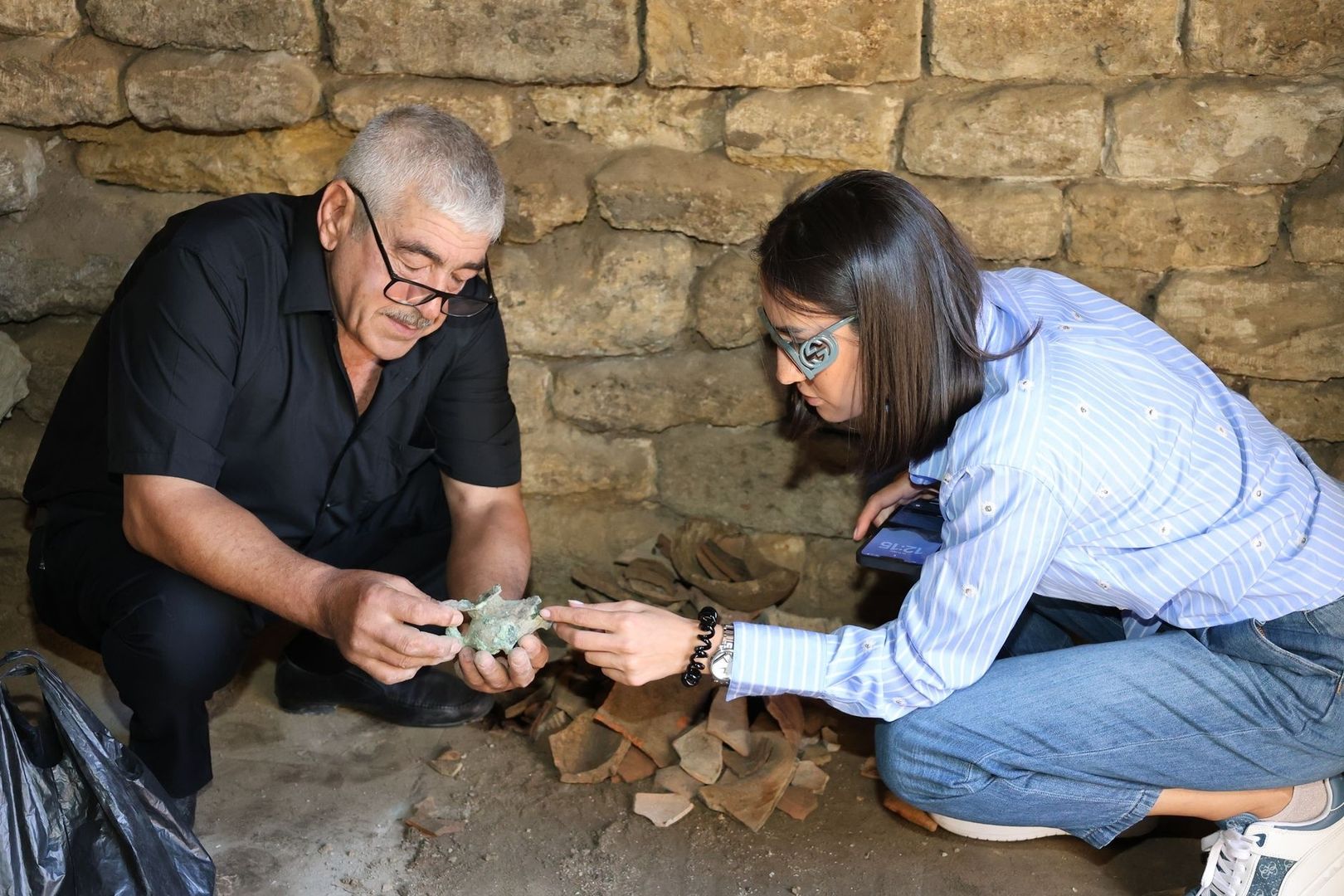
Photogrammetry creates a three-dimensional model by combining many photographs taken from different positions. When the process is carefully controlled, software can calculate the shape, surface, and texture of an object with impressive accuracy. Advanced workflows can document cracks, tool marks, inscriptions, pigment traces, and other details that may be difficult to see during an ordinary museum visit. These models can then be viewed on a computer, explored in virtual reality, or used by researchers for comparison and measurement.
One particularly valuable development is the combination of photogrammetry with focus stacking. Focus stacking merges photographs taken at different focal distances, producing an image with a greater depth of field than a single photograph can provide. Research on Roman coins found that this approach can preserve fine numismatic details that standard imaging methods may overlook. The documented workflow, described in Focus Stacking with photogrammetry, improves the apparent clarity of delicate surface features and supports more detailed visual and qualitative analysis.
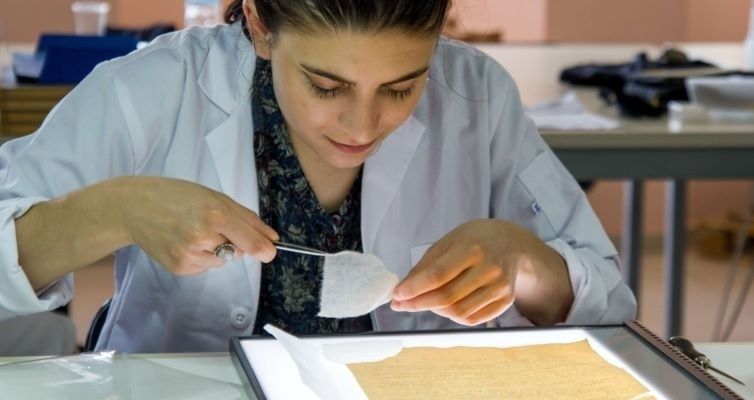
For preservationists, the value extends beyond visual presentation. A high-resolution digital model can create a record before an artifact deteriorates, assist conservation planning, and allow specialists in different locations to examine the same object without repeated handling or transport. Spatial computing also permits controlled interaction. Users can enlarge a feature, rotate an object, compare layers of reconstruction, or view explanatory information without placing the original behind additional physical risk.
- Detailed documentation: Surface textures, inscriptions, damage, and construction methods can be recorded for future study.
- Safer research: Researchers can inspect a digital surrogate while limiting handling of fragile originals.
- Expanded interpretation: Virtual models can reveal hidden sides, internal structures, or earlier restoration stages.
- Long-term access: Digital files can support teaching and scholarship even when an artifact is temporarily unavailable.
These capabilities should not be mistaken for perfect duplication. A digital model depends on the quality of the capture process, lighting, calibration, processing software, and metadata. Color may vary across screens, scale may be misunderstood, and a model can omit information that the scanning method did not record. Good digital stewardship therefore requires clear documentation about how a model was made, what it represents, and where uncertainty remains.
The Irreplaceable Aura of the Physical Artifact
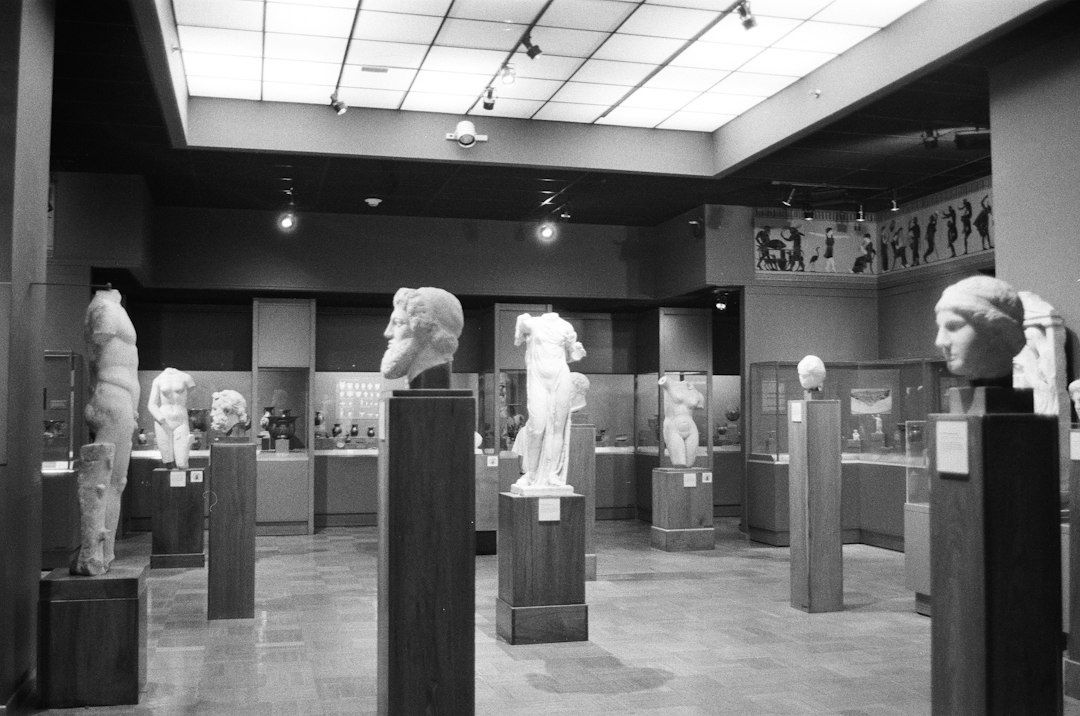
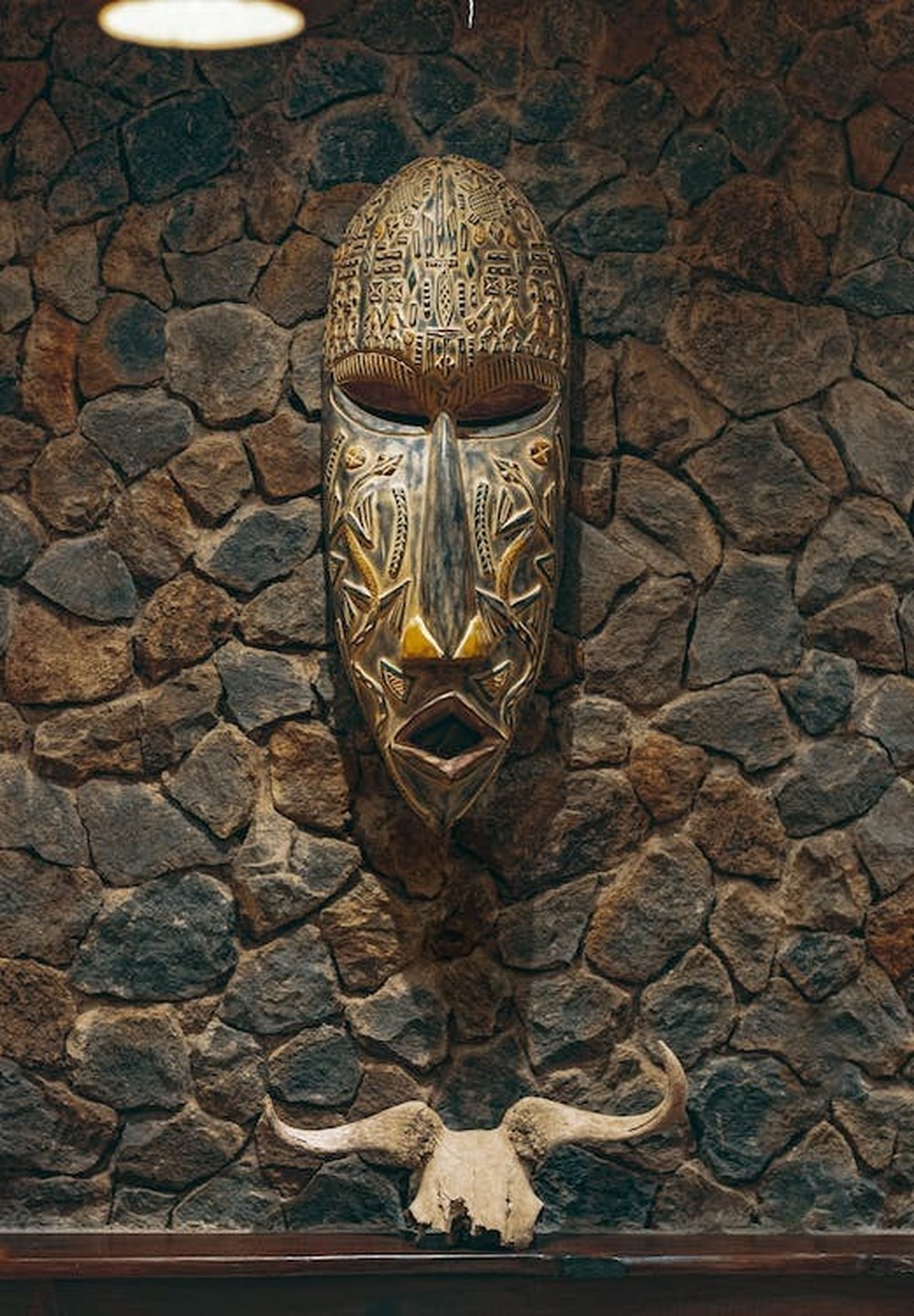
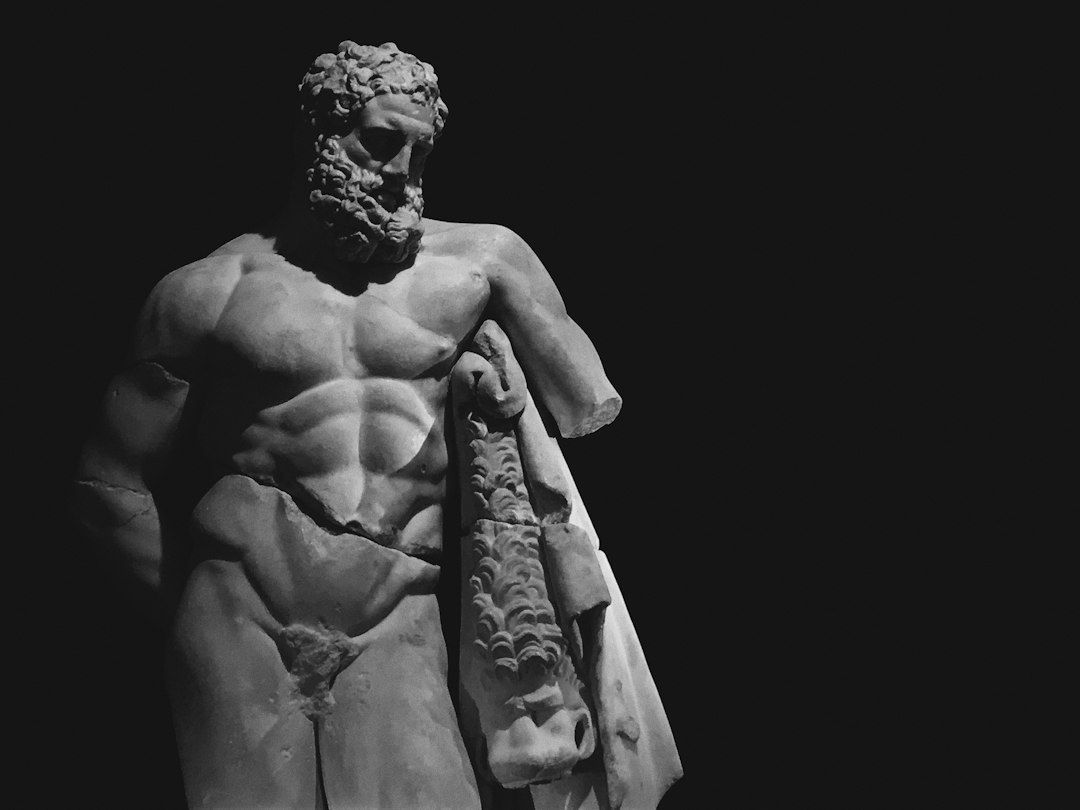
The physical encounter with an original object carries a form of significance that cannot be reduced to its visible information. Walter Benjamin described this quality as an artifact”s “aura,” referring to its unique presence, history, and location in time. A painting or archaeological object is not only an image or a collection of measurable features. It is a material thing that has survived, been handled, travelled, or remained in a particular place. Standing before it can create an awareness of continuity that a replica, however accurate, does not fully possess.
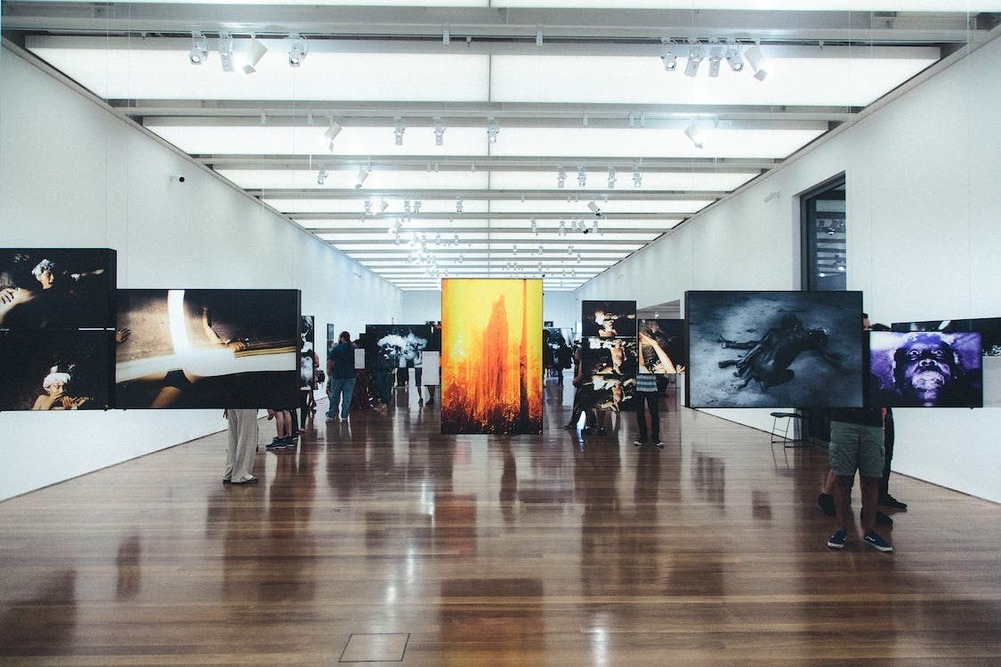
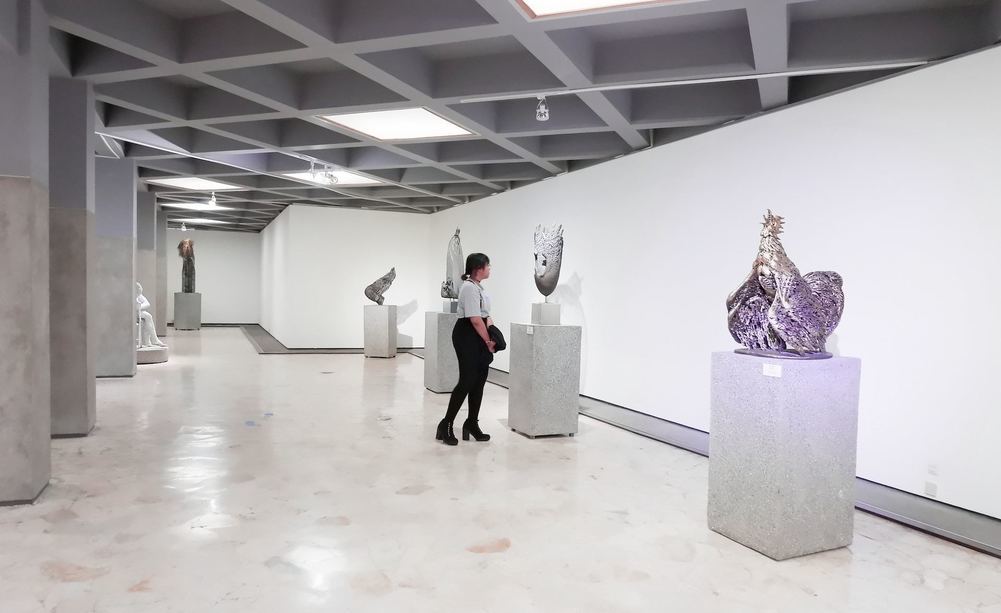
Physical presence also involves more than sight. The scale of a sculpture, the reflection of light across an uneven surface, the acoustics of a gallery, and the distance between visitors all shape perception. A museum can be quiet but not silent. The restrained movement of other people, the shared attention in a room, and the sense that many generations have looked at the same object contribute to the emotional experience. Contemporary behavioral research has examined how sensory immersion affects perception and presence during digital interaction, although access limitations mean that the available scientific research record should be consulted directly before drawing specific conclusions from it.
Virtual reality can reproduce some sensory cues, but the comparison is more useful when the strengths of each setting are clearly identified.
| Physical museum experience | Virtual reality experience |
|---|---|
| Provides direct contact with an original object and its material scale | Provides broad access without requiring travel to the collection |
| Includes gallery atmosphere, shared quiet, lighting, and architectural context | Allows close inspection, rotation, enlargement, and repeated visits |
| Offers spontaneous discovery and encounters with surrounding works | Can provide captions, audio description, translations, and layered interpretation |
| May involve travel costs, stairs, crowds, sensory challenges, or limited opening hours | Can be adapted for remote, classroom, and home use, subject to device and connectivity access |
The distinction matters because virtual programming should not be judged by an impossible standard. Its purpose is not to persuade people that a screen or headset is identical to an original artifact. Its purpose is to make study, curiosity, and participation possible when direct access is unavailable, and to deepen preparation when a physical visit can take place later.
Opening Closed Doors Through Accessible Digital Toolkits
Virtual reality can act as an equalizer for people excluded from cultural spaces by geography, cost, disability, caregiving responsibilities, illness, or institutional history. A student in a rural community may be able to explore a collection that would otherwise require a long journey. A person with limited mobility can examine a virtual reconstruction without navigating inaccessible architecture. Someone who finds crowded galleries overwhelming may benefit from a quieter, self-paced digital environment.
Access, however, does not happen automatically because an exhibit is online. Headsets can be expensive, controllers may be difficult to use, and poorly designed software can create barriers for people with visual, hearing, cognitive, or motor disabilities. The Association of Science and Technology Centers developed an accessibility toolkit for museums that emphasizes organization-wide responsibility, practical guidance, accessible communication, and cross-departmental learning. This principle is essential: accessibility should be included at the planning stage rather than added after a digital exhibit is complete.
Cultural centers can make their programs more inclusive by treating virtual reality as one option within a wider toolkit. Practical planning should include alternative formats, clear instructions, staff support, and opportunities for users to report problems without embarrassment. A headset experience should have a non-headset equivalent whenever possible, so that access to the educational content does not depend on a person”s ability to tolerate or operate immersive equipment.
- Learn from intended users: Invite disabled visitors, teachers, families, older adults, and community organizations to test concepts before launch.
- Provide multiple ways to participate: Offer captions, transcripts, audio description, adjustable text, keyboard or simplified controls, seated options, and screen-based access.
- Prepare staff: Train educators and front-line workers to explain equipment, support different learning needs, and respond respectfully to access concerns.
- Describe limitations honestly: Tell users what the experience includes, what equipment is required, and whether motion, sound, flashing images, or navigation may cause discomfort.
- Review and improve: Collect feedback, monitor participation, and revise the program as technology and community needs change.
Equity also includes digital infrastructure. Programs that assume fast internet, modern phones, private space, or technical confidence may exclude the very communities they seek to reach. Libraries, schools, community centers, and cultural institutions can help by offering loan equipment, guided sessions, downloadable resources, and in-person orientation. The strongest programs measure success not only by headset usage, but by who was able to participate and what support made that participation possible.
Community Engagement and Educational Synergy
Virtual environments can prepare students and community members for a physical visit by introducing unfamiliar spaces and concepts in advance. A class might explore a gallery layout, learn the vocabulary needed to discuss an artwork, or examine a fragile artifact before seeing it in person. This preparation can reduce anxiety and help visitors spend less time trying to understand the setting and more time asking meaningful questions.
The reverse is equally valuable. A physical visit can provide the emotional and sensory encounter, while a later virtual session allows students to revisit details, compare objects, and produce collaborative interpretations. The 2026 Student Exhibition at the Parrish Art Museum demonstrates how sustained educational relationships can connect young artists, schools, community programs, and public exhibition. Its long-running presentation of work by more than 1,000 students, together with ACCESS PARRISH programming for people with neurodivergent, physical, and cognitive disabilities, shows how cultural participation can be built around inclusion rather than treated as a single visit.
- Use virtual tours before visits to establish confidence and shared vocabulary.
- Invite students to create digital models, soundscapes, maps, or interpretive labels.
- Pair global heritage objects with local histories and community memories.
- Display student work alongside professional and historical collections.
- Hold accessible online discussions so people unable to attend in person can still contribute.
Hybrid curation can also strengthen democratic participation in the arts. When community members help select themes, contribute oral histories, or interpret objects through their own experience, museums become places of dialogue rather than one-way authority. Virtual platforms make it easier to gather contributions across distance, while physical exhibitions give those contributions a visible and shared public setting. Together, the two formats can support a more representative cultural record.
Embracing a Hybrid Future for Cultural Equity
Virtual reality does not diminish the original artifact. When used carefully, it increases the artifact”s reach, supports responsible research, and gives more people the opportunity to learn why the original matters. A digital model can show details that are difficult to see through protective glass, offer access to people unable to travel, and keep educational work moving when an object is undergoing conservation or cannot be displayed.
Cultural institutions and educators should move forward with a practical hybrid strategy. Preserve the physical encounter as a distinct and irreplaceable experience, while investing in accurate digital documentation, accessible design, community testing, and staff training. Offer both immersive and low-technology pathways, publish clear information about limitations, and evaluate programs by inclusion as well as attendance. The most equitable future is not one in which virtual reality replaces museums. It is one in which physical collections and digital tools work together, allowing more people to encounter, question, understand, and help shape the cultural heritage held in trust for the public.